SHARING
Sharing is not believing
A 2021 study in Nature found that whether a headline was true had little effect on whether people would share it, even though most said sharing only accurate news was important.
See the numbers
 doodlememes
WHAT THE RESEARCH SAYS
SHARE five checks before you post
Sharing a post is not the same as believing it.
Funny pictures, bold headlines and screenshots spread in seconds. Studies suggest we often share false ones simply because we are not thinking about accuracy at that moment, and a short pause makes a real difference.
Updated
Test your confidenceTHE SHORT ANSWER
Most people say accuracy matters.
The problem is remembering to think about it.
SHARING
A 2021 study in Nature found that whether a headline was true had little effect on whether people would share it, even though most said sharing only accurate news was important.
See the numbersCONFIDENCE
Ofcom found 72% of online adults feel confident judging whether information is true, but 17% felt confident and still took a fake profile for a real one.
Test the gapCHECKING
The UK government's SHARE checklist asks about the source, headline, facts, retouching and errors before you pass something on.
Use the checklistCONFIDENCE VS ABILITY
Pick a skill to see how many UK online adults feel confident about it, and what happened when Ofcom tested them. The bar shows how many feel confident.
Based on Ofcom's Adults' Media Use and Attitudes report 2026, which draws on its Adults' Media Literacy Tracker survey of UK adults aged 16 and over.
TWO NUMBERS WORTH KNOWING
One figure on how we share news,
one on what a simple reminder does.
23%
Sharers who always check unfamiliar sources
78% of social media users see news on the apps and 30% go on to share it. Of those who share, 23% always check information from unfamiliar sources first, and 31% often do.
CHECKING · OFCOM 2026
≈ 3× better
Effect of one accuracy reminder on sharing
In a 2020 study of more than 1,700 US adults, asking people to judge one unrelated headline's accuracy first nearly tripled how well their sharing choices told true COVID-19 claims from false ones.
ACCURACY NUDGE · PSYCHOLOGICAL SCIENCE
Ofcom also found that 56% of social media users say they came across misleading or false news in the past year, and around four in ten look at the comments to judge whether something is reliable.
THE SHARE CHECKLIST

The UK government published this checklist in 2020 to help people spot false information. It works for memes and screenshots as well as news stories.
Make sure the information comes from a trusted source, and always read beyond the headline before deciding it is true.
Check the facts. Ofcom found the most common checks are looking for the same story elsewhere (43%) and finding the original source (42%).
Ask whether the image or video looks as though it has been doctored, cropped or edited to change what it shows.
Look out for bad grammar and spelling, which can be a sign that a post is not what it claims to be.
WHY WE SHARE FALSE POSTS
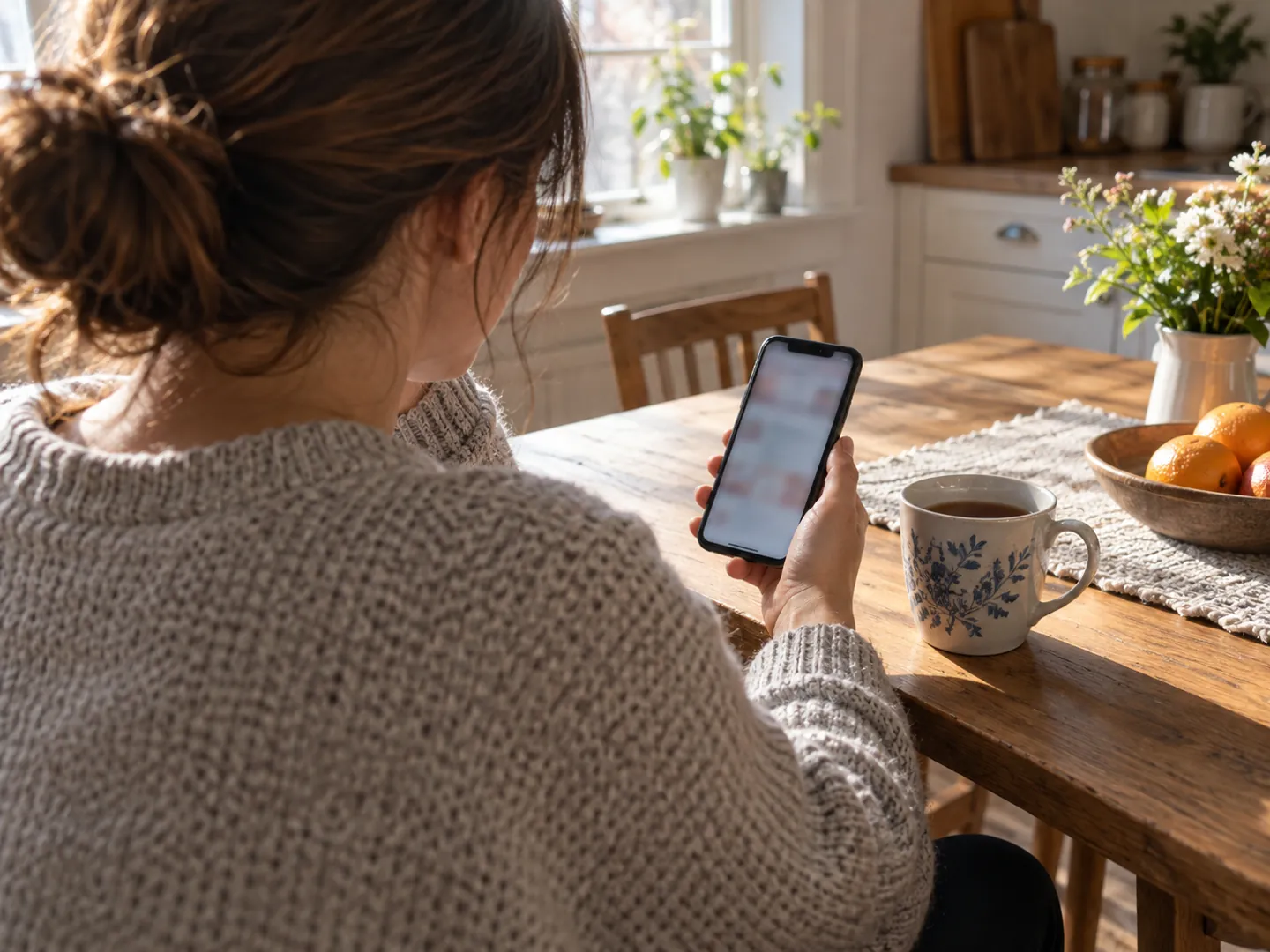
In four survey experiments and a field experiment on Twitter, researchers found people often share misinformation because their attention is focused on factors other than accuracy, even though most say it is important to share only accurate news.
The encouraging part is that the fix is small. Subtly shifting people's attention to accuracy increased the quality of the news they went on to share, which suggests asking yourself whether a post is true before pressing share is worth the moment it takes.
Questions
Research published in Nature in 2021 suggests it is often inattention rather than bad intent: people's attention is on other things when they share, even though most say sharing only accurate news is important.
Ofcom found 30% of social media users who see news go on to share it, and of those, 23% always check information from unfamiliar sources first, while 31% check often.
A UK government checklist from 2020: Source, check it is trusted; Headline, read beyond it; Analyse, check the facts; Retouched, look for doctored images or video; Error, watch for bad spelling and grammar.
Not always. Ofcom found 17% of adults who felt confident judging online information misidentified a fake social media profile as genuine in its test.
Around four in ten social media users look at the comments to judge whether something is reliable, Ofcom found. Comments show what others think, not whether it is true, so checking the original source is more reliable.
Sources
ABOUT THIS NAME
doodlememes.com is part of the DoodleSale portfolio. Check the current listing and available purchase or lease options.